Buy butzbach.eu ?
We are moving the project
butzbach.eu .
Are you interested in purchasing the domain
butzbach.eu ?
domain@kv-gmbh.de · 0541-91531010
Buy butzbach.eu ?
How can one recognize differences in architecture?
One can recognize differences in architecture by observing the style, materials, and construction techniques used in a building. Different architectural styles, such as Gothic, Baroque, or Modernist, have distinct characteristics that can help identify the time period and cultural influences of a structure. Additionally, the use of specific materials, such as stone, wood, or glass, can also indicate a particular architectural style or regional tradition. Furthermore, the construction techniques, such as arches, columns, or vaulted ceilings, can provide clues to the architectural style and period of a building. **
What are the differences between a castle and a palace?
The main difference between a castle and a palace lies in their original purpose and design. Castles were built primarily for defensive purposes, with features such as thick walls, battlements, and moats. They were often located in strategic positions, such as on hilltops or near water, to provide protection from enemies. Palaces, on the other hand, were built as grand residences for royalty and nobility, with a focus on luxury and comfort rather than defense. They often feature ornate architecture, expansive gardens, and lavish interior decorations. While both castles and palaces can be impressive architectural structures, their design and purpose set them apart. **
Similar search terms for Differences
Top-Angebote
Products related to Differences:
-
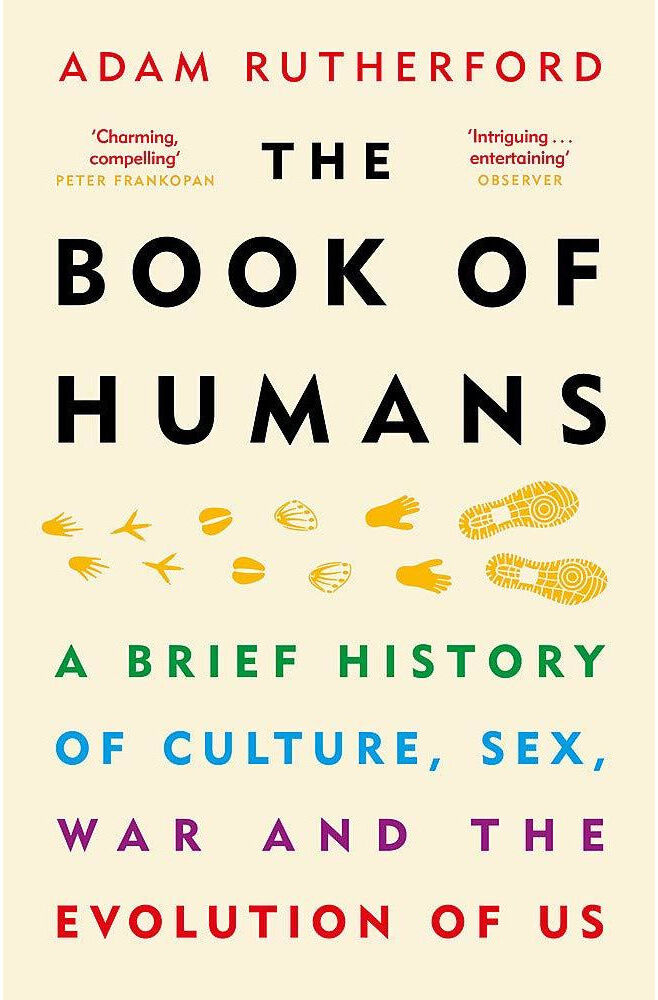
Orion The Book of Humans by Adam Rutherford – A Brief History of Culture, Sex, War & EvolutionWHAT MAKES US HUMAN? Waging war? Sex for pleasure? Creating art? Mastery of fire? In this thrilling tour of the animal kingdom, Adam Rutherford tells the story of how we became the unique creatures we are today. Illuminated by the latest scientific discoveries, THE BOOK OF HUMANS is a dazzling compendium of what unequivocally fixes us as animals, and reveals how we are extraordinary among them.4,98 £*Shipping: 1,99 £Secure redirect to the provider
-
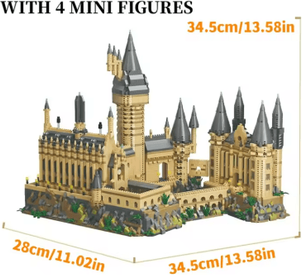
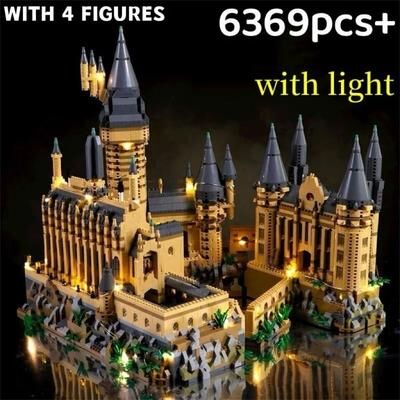
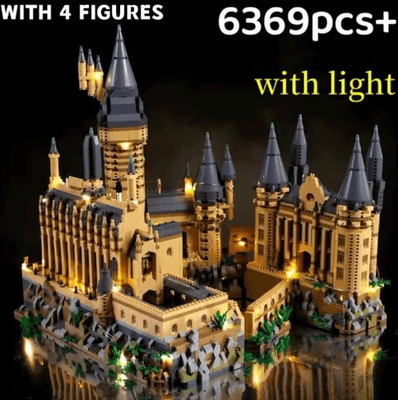
Inspire Curations Creative Medieval Magic Castle Micro Building Blocks School Architecture Palace DIY Set with LightStep into a world of imagination and craftsmanship with this intricate medieval castle building blocks set designed for creative minds. Built with precision micro bricks, this micro building blocks castle offers a detailed and rewarding assembly...230,00 $*Shipping: 0,00 $Secure redirect to the provider
-
Zygomatic Timeline Refresh 2026 Clutch Box - Card Game for 2-4 Players Ages 10+ History Culture TriviaTest your knowledge of history, culture, and everyday events with Timeline Refresh 2026, a compact card game for family and friends. Each round challenges players to place event cards in the correct chronological position, using the timeline already on the table as their guide. Choose an event card, estimate when it happened, and add it to the timeline. If your placement is correct, the card remains in play; if not, it is removed. The first player to position all their cards correctly wins. The game's accessible rules and varied subject matter make it an engaging way to challenge your memory and learn interesting facts while playing. The clutch box format is designed for convenient storage and portability.9,79 £*Shipping: 3,95 £Secure redirect to the provider
-
Uplift Essentials Medieval Magic Castle Micro Bricks School Architecture Palace Model High Yield Creative Interaction Hub with LightAchieve imagination optimization with this Precision MicroBrick Magic Castle. Specifically engineered for structural transparency, this highperformance technical tool acts as a vital tool for assembly efficiency, neutralizing the limitations of...226,97 $*Shipping: 0,00 $Secure redirect to the provider


-
Are there differences when sleeping in the city or in the countryside?
Yes, there are differences when sleeping in the city versus the countryside. In the city, there may be more noise and light pollution, which can disrupt sleep. Additionally, air quality in the city may be poorer, which can affect sleep quality. In the countryside, there is generally less noise and light pollution, and the air quality is often better, which can contribute to a more peaceful and restful sleep. Overall, sleeping in the countryside may offer a more tranquil and rejuvenating experience compared to sleeping in the city. **
-
What are the differences and similarities between design, architecture, and art?
Design, architecture, and art are all creative fields that involve the use of aesthetics and functionality. Design focuses on solving problems and creating solutions that are both visually appealing and practical. Architecture involves the design and construction of buildings and structures, focusing on spatial relationships and functionality. Art, on the other hand, is more about self-expression and creativity, often without the constraints of functionality. While all three fields involve creativity and aesthetics, design and architecture are more focused on solving specific problems and serving a purpose, while art is often more about personal expression and interpretation. **
-
What are the differences between Spain and Italy in culture and mentality?
Spain and Italy both have rich cultural histories, but there are some differences in their cultures and mentalities. Spain is known for its lively and passionate culture, with a strong emphasis on family and community. In contrast, Italy is known for its emphasis on art, fashion, and design, with a focus on aesthetics and beauty. Additionally, Spain has a more relaxed and laid-back mentality, while Italy is known for its strong work ethic and attention to detail. Overall, both countries have unique cultural traits that make them distinct from each other. **
-
What is the difference between culture and tradition?
Culture refers to the beliefs, customs, arts, and social behaviors of a particular group of people, encompassing a broader range of practices and values. On the other hand, tradition specifically refers to the customs and practices that are passed down from generation to generation within a specific community or society. While culture is more dynamic and can evolve over time, traditions tend to be more static and rooted in history and heritage. **

What are the differences in culture, mentality, and character between China and Japan?
China and Japan have distinct cultural differences despite sharing some similarities due to their historical interactions. Chinese culture is deeply rooted in Confucianism, emphasizing hierarchy, respect for elders, and collectivism. In contrast, Japanese culture is influenced by Shintoism and Buddhism, emphasizing harmony, humility, and group consensus. Additionally, Chinese mentality tends to prioritize long-term planning and perseverance, while Japanese mentality values precision, attention to detail, and efficiency. Overall, China is known for its diversity and vastness, while Japan is known for its homogeneity and attention to tradition. **
What is the meaning of tradition, culture, and identity?
Tradition refers to the customs, beliefs, and practices that are passed down from generation to generation within a community or society. Culture encompasses the shared values, beliefs, and behaviors of a particular group of people, including their language, art, music, and social norms. Identity is the sense of self and belonging that is shaped by one's cultural background, traditions, and experiences. Together, tradition, culture, and identity form the foundation of a person's sense of belonging and connection to their community and heritage. **
Top-Angebote
Products related to Differences:
-
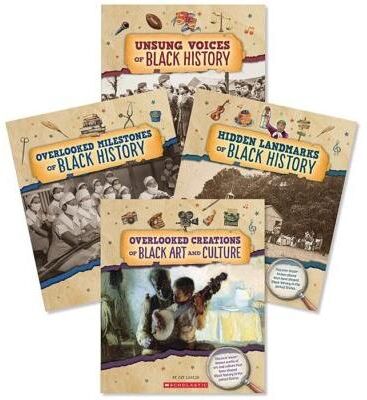
From the Archives: Black History and Culture Value PackThis brand-new series is rooted in a profound commitment to shedding light on some of the important -- and often lesser-known -- aspects of Black history. From the Archives features landmarks, events, people, and artistic endeavors that have played...27,99 $*Shipping: 0,00 $Secure redirect to the provider
-
Inspire Picks Medieval Magic Castle Micro Building Block Set For Creative Architecture Play no LightEnter a world of fantasy, imagination, and handson creativity with this enchanting magic castle building block set inspired by medieval palaces and grand schoolstyle architecture. Designed with precision micro bricks, this detailed MOC construction...167,25 $*Shipping: 0,00 $Secure redirect to the provider
-
Orion The Book of Humans by Adam Rutherford – A Brief History of Culture, Sex, War & EvolutionWHAT MAKES US HUMAN? Waging war? Sex for pleasure? Creating art? Mastery of fire? In this thrilling tour of the animal kingdom, Adam Rutherford tells the story of how we became the unique creatures we are today. Illuminated by the latest scientific discoveries, THE BOOK OF HUMANS is a dazzling compendium of what unequivocally fixes us as animals, and reveals how we are extraordinary among them.4,98 £*Shipping: 1,99 £Secure redirect to the provider
-
Inspire Curations Creative Medieval Magic Castle Micro Building Blocks School Architecture Palace DIY Set with LightStep into a world of imagination and craftsmanship with this intricate medieval castle building blocks set designed for creative minds. Built with precision micro bricks, this micro building blocks castle offers a detailed and rewarding assembly...230,00 $*Shipping: 0,00 $Secure redirect to the provider
-
How can one recognize differences in architecture?
One can recognize differences in architecture by observing the style, materials, and construction techniques used in a building. Different architectural styles, such as Gothic, Baroque, or Modernist, have distinct characteristics that can help identify the time period and cultural influences of a structure. Additionally, the use of specific materials, such as stone, wood, or glass, can also indicate a particular architectural style or regional tradition. Furthermore, the construction techniques, such as arches, columns, or vaulted ceilings, can provide clues to the architectural style and period of a building. **
-
What are the differences between a castle and a palace?
The main difference between a castle and a palace lies in their original purpose and design. Castles were built primarily for defensive purposes, with features such as thick walls, battlements, and moats. They were often located in strategic positions, such as on hilltops or near water, to provide protection from enemies. Palaces, on the other hand, were built as grand residences for royalty and nobility, with a focus on luxury and comfort rather than defense. They often feature ornate architecture, expansive gardens, and lavish interior decorations. While both castles and palaces can be impressive architectural structures, their design and purpose set them apart. **
-
Are there differences when sleeping in the city or in the countryside?
Yes, there are differences when sleeping in the city versus the countryside. In the city, there may be more noise and light pollution, which can disrupt sleep. Additionally, air quality in the city may be poorer, which can affect sleep quality. In the countryside, there is generally less noise and light pollution, and the air quality is often better, which can contribute to a more peaceful and restful sleep. Overall, sleeping in the countryside may offer a more tranquil and rejuvenating experience compared to sleeping in the city. **
-
What are the differences and similarities between design, architecture, and art?
Design, architecture, and art are all creative fields that involve the use of aesthetics and functionality. Design focuses on solving problems and creating solutions that are both visually appealing and practical. Architecture involves the design and construction of buildings and structures, focusing on spatial relationships and functionality. Art, on the other hand, is more about self-expression and creativity, often without the constraints of functionality. While all three fields involve creativity and aesthetics, design and architecture are more focused on solving specific problems and serving a purpose, while art is often more about personal expression and interpretation. **
Similar search terms for Differences
-
Zygomatic Timeline Refresh 2026 Clutch Box - Card Game for 2-4 Players Ages 10+ History Culture TriviaTest your knowledge of history, culture, and everyday events with Timeline Refresh 2026, a compact card game for family and friends. Each round challenges players to place event cards in the correct chronological position, using the timeline already on the table as their guide. Choose an event card, estimate when it happened, and add it to the timeline. If your placement is correct, the card remains in play; if not, it is removed. The first player to position all their cards correctly wins. The game's accessible rules and varied subject matter make it an engaging way to challenge your memory and learn interesting facts while playing. The clutch box format is designed for convenient storage and portability.9,79 £*Shipping: 3,95 £Secure redirect to the provider
-
Uplift Essentials Medieval Magic Castle Micro Bricks School Architecture Palace Model High Yield Creative Interaction Hub with LightAchieve imagination optimization with this Precision MicroBrick Magic Castle. Specifically engineered for structural transparency, this highperformance technical tool acts as a vital tool for assembly efficiency, neutralizing the limitations of...226,97 $*Shipping: 0,00 $Secure redirect to the provider
-
Granta Books The 1960s in Maps by Gordon Kerr - Illustrated History of the 1960s Through Maps, Events, Politics, Culture and Social ChangeWhich countries were under a dictatorship? Where did the Beatles perform live outside the UK? Where were atomic bombs tested? Which nations boycotted the 1966 World Cup? What was the route of the Hippy Trail? The 1960s was a momentous decade whose legacy is colourful and enduring. Here is a book that maps those years - through their culture, their politics, their technological and scientific advances, their conflicts and their natural disasters. What emerges is a fresh and revealing portrait of a decade which saw enormous social change, seemed to offer boundless potential, but also had its darker side.10,99 £*Shipping: 2,99 £Secure redirect to the provider
-
Inspire Picks Medieval Magic Castle Micro Building Block Set For Creative Architecture Play with LightEnter a world of fantasy, imagination, and handson creativity with this enchanting magic castle building block set inspired by medieval palaces and grand schoolstyle architecture. Designed with precision micro bricks, this detailed MOC construction...171,03 $*Shipping: 0,00 $Secure redirect to the provider
-
What are the differences between Spain and Italy in culture and mentality?
Spain and Italy both have rich cultural histories, but there are some differences in their cultures and mentalities. Spain is known for its lively and passionate culture, with a strong emphasis on family and community. In contrast, Italy is known for its emphasis on art, fashion, and design, with a focus on aesthetics and beauty. Additionally, Spain has a more relaxed and laid-back mentality, while Italy is known for its strong work ethic and attention to detail. Overall, both countries have unique cultural traits that make them distinct from each other. **
-
What is the difference between culture and tradition?
Culture refers to the beliefs, customs, arts, and social behaviors of a particular group of people, encompassing a broader range of practices and values. On the other hand, tradition specifically refers to the customs and practices that are passed down from generation to generation within a specific community or society. While culture is more dynamic and can evolve over time, traditions tend to be more static and rooted in history and heritage. **
-
What are the differences in culture, mentality, and character between China and Japan?
China and Japan have distinct cultural differences despite sharing some similarities due to their historical interactions. Chinese culture is deeply rooted in Confucianism, emphasizing hierarchy, respect for elders, and collectivism. In contrast, Japanese culture is influenced by Shintoism and Buddhism, emphasizing harmony, humility, and group consensus. Additionally, Chinese mentality tends to prioritize long-term planning and perseverance, while Japanese mentality values precision, attention to detail, and efficiency. Overall, China is known for its diversity and vastness, while Japan is known for its homogeneity and attention to tradition. **
-
What is the meaning of tradition, culture, and identity?
Tradition refers to the customs, beliefs, and practices that are passed down from generation to generation within a community or society. Culture encompasses the shared values, beliefs, and behaviors of a particular group of people, including their language, art, music, and social norms. Identity is the sense of self and belonging that is shaped by one's cultural background, traditions, and experiences. Together, tradition, culture, and identity form the foundation of a person's sense of belonging and connection to their community and heritage. **
* All prices are inclusive of VAT and, if applicable, plus shipping costs. The offer information is based on the details provided by the respective shop and is updated through automated processes. Real-time updates do not occur, so deviations can occur in individual cases. ** Note: Parts of this content were created by AI.