Buy butzbach.eu ?
We are moving the project
butzbach.eu .
Are you interested in purchasing the domain
butzbach.eu ?
domain@kv-gmbh.de · 0541-91531010
Buy butzbach.eu ?
What do emulsifiers do?
Emulsifiers are substances that help to mix together two or more ingredients that would normally separate, such as oil and water. They work by reducing the surface tension between the two substances, allowing them to mix together more easily and form a stable emulsion. Emulsifiers are commonly used in food products to create smooth and uniform textures, and in cosmetic products to blend oil and water-based ingredients. **
What are emulsifiers for vegetarians?
Emulsifiers for vegetarians are substances that help to mix together ingredients that would normally separate, such as oil and water. They are commonly used in food production to create smooth and stable textures in products like salad dressings, mayonnaise, and non-dairy milk alternatives. Emulsifiers for vegetarians are derived from plant-based sources, such as soy lecithin, sunflower lecithin, and agar agar, making them suitable for those following a vegetarian diet. These emulsifiers help to create a wide variety of vegetarian-friendly food products while maintaining the desired texture and consistency. **


Similar search terms for Emulsifiers
Top-Angebote
Products related to Emulsifiers:
-
Orion The Book of Humans by Adam Rutherford – A Brief History of Culture, Sex, War & EvolutionWHAT MAKES US HUMAN? Waging war? Sex for pleasure? Creating art? Mastery of fire? In this thrilling tour of the animal kingdom, Adam Rutherford tells the story of how we became the unique creatures we are today. Illuminated by the latest scientific discoveries, THE BOOK OF HUMANS is a dazzling compendium of what unequivocally fixes us as animals, and reveals how we are extraordinary among them.4,98 £*Shipping: 1,99 £Secure redirect to the provider
-
Inspire Curations Creative Medieval Magic Castle Micro Building Blocks School Architecture Palace DIY Set no LightStep into a world of imagination and craftsmanship with this intricate medieval castle building blocks set designed for creative minds. Built with precision micro bricks, this micro building blocks castle offers a detailed and rewarding assembly...225,50 $*Shipping: 0,00 $Secure redirect to the provider
-
Zygomatic Timeline Refresh 2026 Clutch Box - Card Game for 2-4 Players Ages 10+ History Culture TriviaTest your knowledge of history, culture, and everyday events with Timeline Refresh 2026, a compact card game for family and friends. Each round challenges players to place event cards in the correct chronological position, using the timeline already on the table as their guide. Choose an event card, estimate when it happened, and add it to the timeline. If your placement is correct, the card remains in play; if not, it is removed. The first player to position all their cards correctly wins. The game's accessible rules and varied subject matter make it an engaging way to challenge your memory and learn interesting facts while playing. The clutch box format is designed for convenient storage and portability.9,53 £*Shipping: 3,95 £Secure redirect to the provider
-
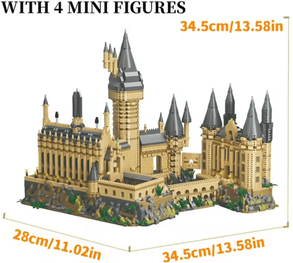
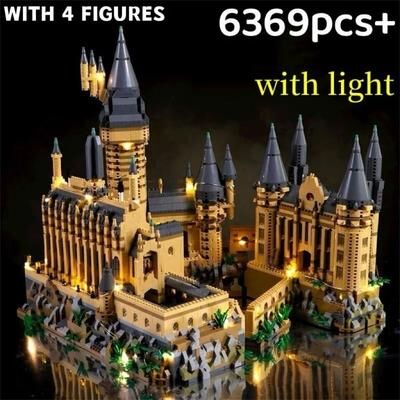
Uplift Essentials Medieval Magic Castle Micro Bricks School Architecture Palace Model High Yield Creative Interaction Hub with LightAchieve imagination optimization with this Precision MicroBrick Magic Castle. Specifically engineered for structural transparency, this highperformance technical tool acts as a vital tool for assembly efficiency, neutralizing the limitations of...226,97 $*Shipping: 0,00 $Secure redirect to the provider


-
What are emulsifiers made of?
Emulsifiers are typically made of molecules that have both hydrophilic (water-attracting) and hydrophobic (water-repelling) properties. These molecules are often surfactants, which have a dual nature that allows them to stabilize the interface between oil and water. Common emulsifiers include lecithin, which is found in egg yolks and soybeans, as well as mono- and diglycerides, which are derived from fats. These molecules work by reducing the surface tension between oil and water, allowing them to mix and form stable emulsions. **
-
What tasteless, non-harmful emulsifiers are there?
Some tasteless, non-harmful emulsifiers include lecithin, which is commonly derived from soybeans and is often used in chocolate to prevent separation of cocoa and cocoa butter. Another example is mono- and diglycerides, which are derived from natural sources like vegetable oils and are used in a variety of food products to help mix ingredients that would otherwise separate. These emulsifiers are considered safe for consumption and are widely used in the food industry. **
-
What is the relationship between surfactants and emulsifiers in chemistry?
Surfactants and emulsifiers are both types of molecules that help to stabilize and disperse immiscible substances, such as oil and water, in a mixture. Surfactants are a broader category of molecules that includes emulsifiers, which are a specific type of surfactant. Emulsifiers have a hydrophilic (water-attracting) head and a hydrophobic (water-repelling) tail, which allows them to surround and stabilize droplets of one substance within another. In summary, emulsifiers are a specific type of surfactant that is particularly effective at creating and stabilizing emulsions. **
-
Which of the following emulsifiers are suitable for diluting essential oils with water?
Emulsifiers such as polysorbate 20 and polysorbate 80 are suitable for diluting essential oils with water. These emulsifiers help to disperse the essential oils evenly in water, creating a stable mixture. They are commonly used in making room sprays, body mists, and other water-based products that contain essential oils. It is important to use the appropriate emulsifier to ensure that the essential oils are properly diluted and do not separate from the water. **


What are surfactants and what function do they have as solubilizers and emulsifiers?
Surfactants are compounds that lower the surface tension between two substances, such as oil and water. As solubilizers, surfactants help to dissolve substances that are normally insoluble in a particular solvent, allowing them to mix evenly. As emulsifiers, surfactants help to stabilize mixtures of immiscible liquids, such as oil and water, by forming a stable emulsion. This is achieved by surrounding the dispersed phase (such as oil droplets) with the surfactant molecules, preventing them from coalescing and separating from the continuous phase. **
With which emulsifiers can I dissolve terpenes in water that are also food-grade?
You can dissolve terpenes in water using food-grade emulsifiers such as lecithin, gum arabic, or polysorbate 80. These emulsifiers are commonly used in the food industry and are safe for consumption. They can help stabilize the terpenes in water and create a homogeneous mixture, making it easier to incorporate the terpenes into food and beverage products. When using emulsifiers, it's important to follow the recommended usage levels and guidelines to ensure the safety and quality of the final product. **
Top-Angebote
Products related to Emulsifiers:
-
From the Archives: Black History and Culture Value PackThis brand-new series is rooted in a profound commitment to shedding light on some of the important -- and often lesser-known -- aspects of Black history. From the Archives features landmarks, events, people, and artistic endeavors that have played...27,99 $*Shipping: 0,00 $Secure redirect to the provider
-
Inspire Picks Medieval Magic Castle Micro Building Block Set For Creative Architecture Play with LightEnter a world of fantasy, imagination, and handson creativity with this enchanting magic castle building block set inspired by medieval palaces and grand schoolstyle architecture. Designed with precision micro bricks, this detailed MOC construction...171,03 $*Shipping: 0,00 $Secure redirect to the provider
-
Orion The Book of Humans by Adam Rutherford – A Brief History of Culture, Sex, War & EvolutionWHAT MAKES US HUMAN? Waging war? Sex for pleasure? Creating art? Mastery of fire? In this thrilling tour of the animal kingdom, Adam Rutherford tells the story of how we became the unique creatures we are today. Illuminated by the latest scientific discoveries, THE BOOK OF HUMANS is a dazzling compendium of what unequivocally fixes us as animals, and reveals how we are extraordinary among them.4,98 £*Shipping: 1,99 £Secure redirect to the provider
-
Inspire Curations Creative Medieval Magic Castle Micro Building Blocks School Architecture Palace DIY Set no LightStep into a world of imagination and craftsmanship with this intricate medieval castle building blocks set designed for creative minds. Built with precision micro bricks, this micro building blocks castle offers a detailed and rewarding assembly...225,50 $*Shipping: 0,00 $Secure redirect to the provider
-
What do emulsifiers do?
Emulsifiers are substances that help to mix together two or more ingredients that would normally separate, such as oil and water. They work by reducing the surface tension between the two substances, allowing them to mix together more easily and form a stable emulsion. Emulsifiers are commonly used in food products to create smooth and uniform textures, and in cosmetic products to blend oil and water-based ingredients. **
-
What are emulsifiers for vegetarians?
Emulsifiers for vegetarians are substances that help to mix together ingredients that would normally separate, such as oil and water. They are commonly used in food production to create smooth and stable textures in products like salad dressings, mayonnaise, and non-dairy milk alternatives. Emulsifiers for vegetarians are derived from plant-based sources, such as soy lecithin, sunflower lecithin, and agar agar, making them suitable for those following a vegetarian diet. These emulsifiers help to create a wide variety of vegetarian-friendly food products while maintaining the desired texture and consistency. **
-
What are emulsifiers made of?
Emulsifiers are typically made of molecules that have both hydrophilic (water-attracting) and hydrophobic (water-repelling) properties. These molecules are often surfactants, which have a dual nature that allows them to stabilize the interface between oil and water. Common emulsifiers include lecithin, which is found in egg yolks and soybeans, as well as mono- and diglycerides, which are derived from fats. These molecules work by reducing the surface tension between oil and water, allowing them to mix and form stable emulsions. **
-
What tasteless, non-harmful emulsifiers are there?
Some tasteless, non-harmful emulsifiers include lecithin, which is commonly derived from soybeans and is often used in chocolate to prevent separation of cocoa and cocoa butter. Another example is mono- and diglycerides, which are derived from natural sources like vegetable oils and are used in a variety of food products to help mix ingredients that would otherwise separate. These emulsifiers are considered safe for consumption and are widely used in the food industry. **
Similar search terms for Emulsifiers
-
Zygomatic Timeline Refresh 2026 Clutch Box - Card Game for 2-4 Players Ages 10+ History Culture TriviaTest your knowledge of history, culture, and everyday events with Timeline Refresh 2026, a compact card game for family and friends. Each round challenges players to place event cards in the correct chronological position, using the timeline already on the table as their guide. Choose an event card, estimate when it happened, and add it to the timeline. If your placement is correct, the card remains in play; if not, it is removed. The first player to position all their cards correctly wins. The game's accessible rules and varied subject matter make it an engaging way to challenge your memory and learn interesting facts while playing. The clutch box format is designed for convenient storage and portability.9,53 £*Shipping: 3,95 £Secure redirect to the provider
-
Uplift Essentials Medieval Magic Castle Micro Bricks School Architecture Palace Model High Yield Creative Interaction Hub with LightAchieve imagination optimization with this Precision MicroBrick Magic Castle. Specifically engineered for structural transparency, this highperformance technical tool acts as a vital tool for assembly efficiency, neutralizing the limitations of...226,97 $*Shipping: 0,00 $Secure redirect to the provider
-
Granta Books The 1960s in Maps by Gordon Kerr - Illustrated History of the 1960s Through Maps, Events, Politics, Culture and Social ChangeWhich countries were under a dictatorship? Where did the Beatles perform live outside the UK? Where were atomic bombs tested? Which nations boycotted the 1966 World Cup? What was the route of the Hippy Trail? The 1960s was a momentous decade whose legacy is colourful and enduring. Here is a book that maps those years - through their culture, their politics, their technological and scientific advances, their conflicts and their natural disasters. What emerges is a fresh and revealing portrait of a decade which saw enormous social change, seemed to offer boundless potential, but also had its darker side.10,99 £*Shipping: 2,99 £Secure redirect to the provider
-
Inspire Picks Medieval Magic Castle Micro Building Block Set For Creative Architecture Play no LightEnter a world of fantasy, imagination, and handson creativity with this enchanting magic castle building block set inspired by medieval palaces and grand schoolstyle architecture. Designed with precision micro bricks, this detailed MOC construction...167,25 $*Shipping: 0,00 $Secure redirect to the provider
-
What is the relationship between surfactants and emulsifiers in chemistry?
Surfactants and emulsifiers are both types of molecules that help to stabilize and disperse immiscible substances, such as oil and water, in a mixture. Surfactants are a broader category of molecules that includes emulsifiers, which are a specific type of surfactant. Emulsifiers have a hydrophilic (water-attracting) head and a hydrophobic (water-repelling) tail, which allows them to surround and stabilize droplets of one substance within another. In summary, emulsifiers are a specific type of surfactant that is particularly effective at creating and stabilizing emulsions. **
-
Which of the following emulsifiers are suitable for diluting essential oils with water?
Emulsifiers such as polysorbate 20 and polysorbate 80 are suitable for diluting essential oils with water. These emulsifiers help to disperse the essential oils evenly in water, creating a stable mixture. They are commonly used in making room sprays, body mists, and other water-based products that contain essential oils. It is important to use the appropriate emulsifier to ensure that the essential oils are properly diluted and do not separate from the water. **
-
What are surfactants and what function do they have as solubilizers and emulsifiers?
Surfactants are compounds that lower the surface tension between two substances, such as oil and water. As solubilizers, surfactants help to dissolve substances that are normally insoluble in a particular solvent, allowing them to mix evenly. As emulsifiers, surfactants help to stabilize mixtures of immiscible liquids, such as oil and water, by forming a stable emulsion. This is achieved by surrounding the dispersed phase (such as oil droplets) with the surfactant molecules, preventing them from coalescing and separating from the continuous phase. **
-
With which emulsifiers can I dissolve terpenes in water that are also food-grade?
You can dissolve terpenes in water using food-grade emulsifiers such as lecithin, gum arabic, or polysorbate 80. These emulsifiers are commonly used in the food industry and are safe for consumption. They can help stabilize the terpenes in water and create a homogeneous mixture, making it easier to incorporate the terpenes into food and beverage products. When using emulsifiers, it's important to follow the recommended usage levels and guidelines to ensure the safety and quality of the final product. **
* All prices are inclusive of VAT and, if applicable, plus shipping costs. The offer information is based on the details provided by the respective shop and is updated through automated processes. Real-time updates do not occur, so deviations can occur in individual cases. ** Note: Parts of this content were created by AI.