Buy butzbach.eu ?
We are moving the project
butzbach.eu .
Are you interested in purchasing the domain
butzbach.eu ?
domain@kv-gmbh.de · 0541-91531010
Buy butzbach.eu ?
Why was Philipp Scheidemann so important?
Philipp Scheidemann was important because he played a key role in the establishment of the Weimar Republic in Germany after World War I. As the leader of the Social Democratic Party, he proclaimed the republic in November 1918, marking the end of the German Empire. Scheidemann's actions helped pave the way for democracy in Germany, although his decision to declare the republic led to political turmoil and ultimately contributed to the rise of the Nazi Party. **
What are the differences and similarities between Philipp Scheidemann and Karl Liebknecht?
Philipp Scheidemann and Karl Liebknecht were both influential figures in German politics during the early 20th century, but they had different political ideologies and approaches. Scheidemann was a member of the Social Democratic Party and served as the first Chancellor of the Weimar Republic. He was a proponent of parliamentary democracy and worked within the existing political system to achieve his goals. Liebknecht, on the other hand, was a co-founder of the Spartacus League and a leader of the German Communist Party. He advocated for a revolutionary overthrow of the existing government and the establishment of a socialist state. Despite their differing ideologies, both Scheidemann and Liebknecht were passionate advocates for social and political change in Germany. They both played significant roles in the tumultuous political landscape of post-World War I Germany and left a lasting impact on the country's history. **

Similar search terms for Scheidemann
Top-Angebote
Products related to Scheidemann:
-
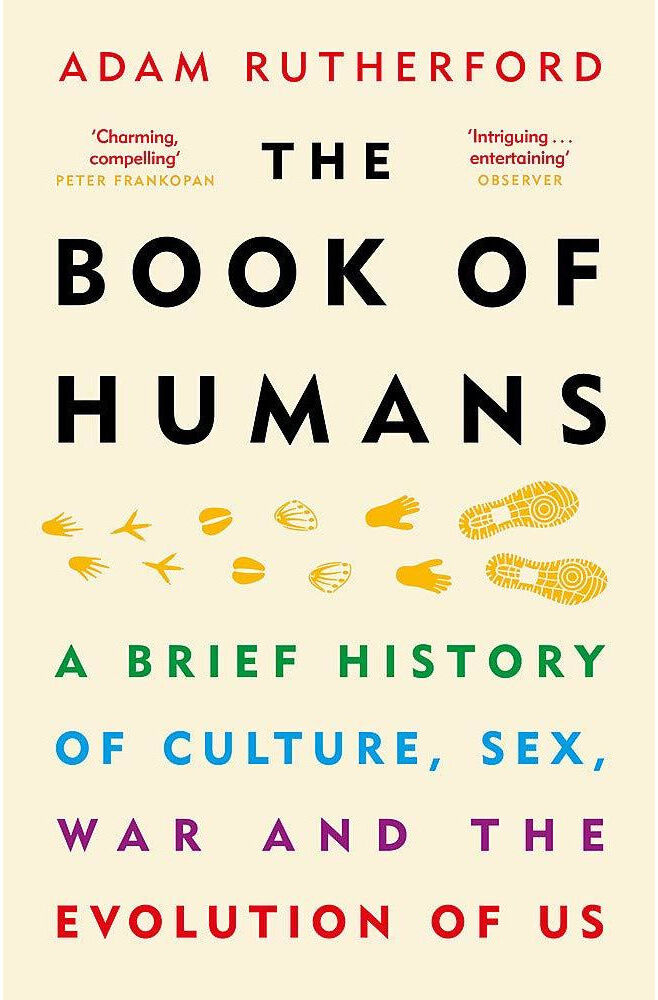
Orion The Book of Humans by Adam Rutherford – A Brief History of Culture, Sex, War & EvolutionWHAT MAKES US HUMAN? Waging war? Sex for pleasure? Creating art? Mastery of fire? In this thrilling tour of the animal kingdom, Adam Rutherford tells the story of how we became the unique creatures we are today. Illuminated by the latest scientific discoveries, THE BOOK OF HUMANS is a dazzling compendium of what unequivocally fixes us as animals, and reveals how we are extraordinary among them.4,98 £*Shipping: 1,99 £Secure redirect to the provider
-
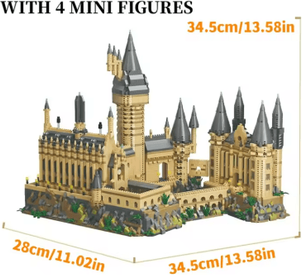
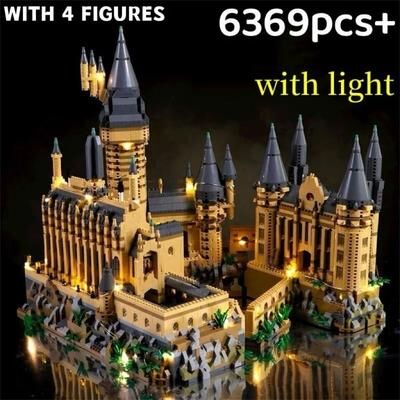
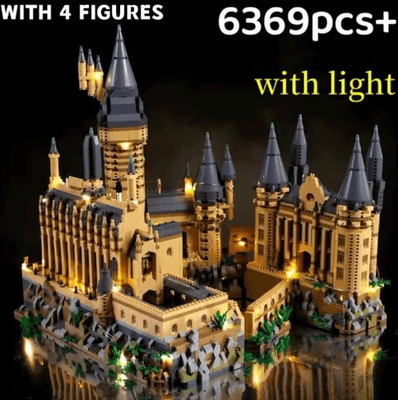
Inspire Curations Creative Medieval Magic Castle Micro Building Blocks School Architecture Palace DIY Set with LightStep into a world of imagination and craftsmanship with this intricate medieval castle building blocks set designed for creative minds. Built with precision micro bricks, this micro building blocks castle offers a detailed and rewarding assembly...230,00 $*Shipping: 0,00 $Secure redirect to the provider
-
Zygomatic Timeline Refresh 2026 Clutch Box - Card Game for 2-4 Players Ages 10+ History Culture TriviaTest your knowledge of history, culture, and everyday events with Timeline Refresh 2026, a compact card game for family and friends. Each round challenges players to place event cards in the correct chronological position, using the timeline already on the table as their guide. Choose an event card, estimate when it happened, and add it to the timeline. If your placement is correct, the card remains in play; if not, it is removed. The first player to position all their cards correctly wins. The game's accessible rules and varied subject matter make it an engaging way to challenge your memory and learn interesting facts while playing. The clutch box format is designed for convenient storage and portability.9,59 £*Shipping: 3,95 £Secure redirect to the provider
-
Uplift Essentials Medieval Magic Castle Micro Bricks School Architecture Palace Model High Yield Creative Interaction Hub with LightAchieve imagination optimization with this Precision MicroBrick Magic Castle. Specifically engineered for structural transparency, this highperformance technical tool acts as a vital tool for assembly efficiency, neutralizing the limitations of...226,97 $*Shipping: 0,00 $Secure redirect to the provider


-
How did Phillip Scheidemann evaluate the Treaty of Versailles and what were his reasons for his stance?
Phillip Scheidemann, a German politician, criticized the Treaty of Versailles for being too harsh and punitive towards Germany. He believed that the treaty unfairly blamed Germany for starting World War I and imposed heavy reparations that would cripple the country's economy. Scheidemann argued that the treaty's terms would only breed resentment and instability in Europe, rather than promoting lasting peace. **
-
What is the difference between culture and tradition?
Culture refers to the beliefs, customs, arts, and social behaviors of a particular group of people, encompassing a broader range of practices and values. On the other hand, tradition specifically refers to the customs and practices that are passed down from generation to generation within a specific community or society. While culture is more dynamic and can evolve over time, traditions tend to be more static and rooted in history and heritage. **
-
What is the meaning of tradition, culture, and identity?
Tradition refers to the customs, beliefs, and practices that are passed down from generation to generation within a community or society. Culture encompasses the shared values, beliefs, and behaviors of a particular group of people, including their language, art, music, and social norms. Identity is the sense of self and belonging that is shaped by one's cultural background, traditions, and experiences. Together, tradition, culture, and identity form the foundation of a person's sense of belonging and connection to their community and heritage. **
-
What are electricity and high culture history?
Electricity history refers to the development and use of electricity as a form of energy, including the discovery of electricity, the invention of electric devices, and the establishment of electrical systems. High culture history, on the other hand, refers to the history of cultural and artistic achievements that are considered to be of high quality and sophistication, such as classical music, literature, fine arts, and theater. Both electricity and high culture history have evolved over time, shaping the way we live and appreciate the world around us. **

What is the difference between low culture and high culture in history?
Low culture refers to the cultural activities and products that are considered to be more common, popular, and easily accessible to the general public. This can include things like popular music, television shows, and mass-produced literature. On the other hand, high culture refers to the cultural activities and products that are considered to be more refined, sophisticated, and often associated with the elite or educated classes. This can include things like classical music, fine art, and literature that is considered to be more intellectually challenging. The distinction between low and high culture has been a source of debate and has evolved over time, but it generally reflects the social and class divisions within a society. **
Does anyone know about the Islamic Golden Age in architecture and culture?
Yes, the Islamic Golden Age was a period of great cultural and architectural achievements in the Islamic world, spanning from the 8th to the 14th century. During this time, Islamic scholars made significant advancements in fields such as mathematics, astronomy, medicine, and philosophy. In terms of architecture, the Islamic world produced stunning examples of mosques, palaces, and other structures, characterized by intricate geometric patterns, domes, and arches. This period also saw the development of beautiful decorative arts such as calligraphy, ceramics, and textiles. Overall, the Islamic Golden Age left a lasting legacy in both architecture and culture. **
Top-Angebote
Products related to Scheidemann:
-
From the Archives: Black History and Culture Value PackThis brand-new series is rooted in a profound commitment to shedding light on some of the important -- and often lesser-known -- aspects of Black history. From the Archives features landmarks, events, people, and artistic endeavors that have played...27,99 $*Shipping: 0,00 $Secure redirect to the provider
-
Inspire Picks Medieval Magic Castle Micro Building Block Set For Creative Architecture Play no LightEnter a world of fantasy, imagination, and handson creativity with this enchanting magic castle building block set inspired by medieval palaces and grand schoolstyle architecture. Designed with precision micro bricks, this detailed MOC construction...167,25 $*Shipping: 0,00 $Secure redirect to the provider
-
Orion The Book of Humans by Adam Rutherford – A Brief History of Culture, Sex, War & EvolutionWHAT MAKES US HUMAN? Waging war? Sex for pleasure? Creating art? Mastery of fire? In this thrilling tour of the animal kingdom, Adam Rutherford tells the story of how we became the unique creatures we are today. Illuminated by the latest scientific discoveries, THE BOOK OF HUMANS is a dazzling compendium of what unequivocally fixes us as animals, and reveals how we are extraordinary among them.4,98 £*Shipping: 1,99 £Secure redirect to the provider
-
Inspire Curations Creative Medieval Magic Castle Micro Building Blocks School Architecture Palace DIY Set with LightStep into a world of imagination and craftsmanship with this intricate medieval castle building blocks set designed for creative minds. Built with precision micro bricks, this micro building blocks castle offers a detailed and rewarding assembly...230,00 $*Shipping: 0,00 $Secure redirect to the provider
-
Why was Philipp Scheidemann so important?
Philipp Scheidemann was important because he played a key role in the establishment of the Weimar Republic in Germany after World War I. As the leader of the Social Democratic Party, he proclaimed the republic in November 1918, marking the end of the German Empire. Scheidemann's actions helped pave the way for democracy in Germany, although his decision to declare the republic led to political turmoil and ultimately contributed to the rise of the Nazi Party. **
-
What are the differences and similarities between Philipp Scheidemann and Karl Liebknecht?
Philipp Scheidemann and Karl Liebknecht were both influential figures in German politics during the early 20th century, but they had different political ideologies and approaches. Scheidemann was a member of the Social Democratic Party and served as the first Chancellor of the Weimar Republic. He was a proponent of parliamentary democracy and worked within the existing political system to achieve his goals. Liebknecht, on the other hand, was a co-founder of the Spartacus League and a leader of the German Communist Party. He advocated for a revolutionary overthrow of the existing government and the establishment of a socialist state. Despite their differing ideologies, both Scheidemann and Liebknecht were passionate advocates for social and political change in Germany. They both played significant roles in the tumultuous political landscape of post-World War I Germany and left a lasting impact on the country's history. **
-
How did Phillip Scheidemann evaluate the Treaty of Versailles and what were his reasons for his stance?
Phillip Scheidemann, a German politician, criticized the Treaty of Versailles for being too harsh and punitive towards Germany. He believed that the treaty unfairly blamed Germany for starting World War I and imposed heavy reparations that would cripple the country's economy. Scheidemann argued that the treaty's terms would only breed resentment and instability in Europe, rather than promoting lasting peace. **
-
What is the difference between culture and tradition?
Culture refers to the beliefs, customs, arts, and social behaviors of a particular group of people, encompassing a broader range of practices and values. On the other hand, tradition specifically refers to the customs and practices that are passed down from generation to generation within a specific community or society. While culture is more dynamic and can evolve over time, traditions tend to be more static and rooted in history and heritage. **
Similar search terms for Scheidemann
-
Zygomatic Timeline Refresh 2026 Clutch Box - Card Game for 2-4 Players Ages 10+ History Culture TriviaTest your knowledge of history, culture, and everyday events with Timeline Refresh 2026, a compact card game for family and friends. Each round challenges players to place event cards in the correct chronological position, using the timeline already on the table as their guide. Choose an event card, estimate when it happened, and add it to the timeline. If your placement is correct, the card remains in play; if not, it is removed. The first player to position all their cards correctly wins. The game's accessible rules and varied subject matter make it an engaging way to challenge your memory and learn interesting facts while playing. The clutch box format is designed for convenient storage and portability.9,59 £*Shipping: 3,95 £Secure redirect to the provider
-
Uplift Essentials Medieval Magic Castle Micro Bricks School Architecture Palace Model High Yield Creative Interaction Hub with LightAchieve imagination optimization with this Precision MicroBrick Magic Castle. Specifically engineered for structural transparency, this highperformance technical tool acts as a vital tool for assembly efficiency, neutralizing the limitations of...226,97 $*Shipping: 0,00 $Secure redirect to the provider
-
Granta Books The 1960s in Maps by Gordon Kerr - Illustrated History of the 1960s Through Maps, Events, Politics, Culture and Social ChangeWhich countries were under a dictatorship? Where did the Beatles perform live outside the UK? Where were atomic bombs tested? Which nations boycotted the 1966 World Cup? What was the route of the Hippy Trail? The 1960s was a momentous decade whose legacy is colourful and enduring. Here is a book that maps those years - through their culture, their politics, their technological and scientific advances, their conflicts and their natural disasters. What emerges is a fresh and revealing portrait of a decade which saw enormous social change, seemed to offer boundless potential, but also had its darker side.10,99 £*Shipping: 2,99 £Secure redirect to the provider
-
Inspire Picks Medieval Magic Castle Micro Building Block Set For Creative Architecture Play with LightEnter a world of fantasy, imagination, and handson creativity with this enchanting magic castle building block set inspired by medieval palaces and grand schoolstyle architecture. Designed with precision micro bricks, this detailed MOC construction...171,03 $*Shipping: 0,00 $Secure redirect to the provider
-
What is the meaning of tradition, culture, and identity?
Tradition refers to the customs, beliefs, and practices that are passed down from generation to generation within a community or society. Culture encompasses the shared values, beliefs, and behaviors of a particular group of people, including their language, art, music, and social norms. Identity is the sense of self and belonging that is shaped by one's cultural background, traditions, and experiences. Together, tradition, culture, and identity form the foundation of a person's sense of belonging and connection to their community and heritage. **
-
What are electricity and high culture history?
Electricity history refers to the development and use of electricity as a form of energy, including the discovery of electricity, the invention of electric devices, and the establishment of electrical systems. High culture history, on the other hand, refers to the history of cultural and artistic achievements that are considered to be of high quality and sophistication, such as classical music, literature, fine arts, and theater. Both electricity and high culture history have evolved over time, shaping the way we live and appreciate the world around us. **
-
What is the difference between low culture and high culture in history?
Low culture refers to the cultural activities and products that are considered to be more common, popular, and easily accessible to the general public. This can include things like popular music, television shows, and mass-produced literature. On the other hand, high culture refers to the cultural activities and products that are considered to be more refined, sophisticated, and often associated with the elite or educated classes. This can include things like classical music, fine art, and literature that is considered to be more intellectually challenging. The distinction between low and high culture has been a source of debate and has evolved over time, but it generally reflects the social and class divisions within a society. **
-
Does anyone know about the Islamic Golden Age in architecture and culture?
Yes, the Islamic Golden Age was a period of great cultural and architectural achievements in the Islamic world, spanning from the 8th to the 14th century. During this time, Islamic scholars made significant advancements in fields such as mathematics, astronomy, medicine, and philosophy. In terms of architecture, the Islamic world produced stunning examples of mosques, palaces, and other structures, characterized by intricate geometric patterns, domes, and arches. This period also saw the development of beautiful decorative arts such as calligraphy, ceramics, and textiles. Overall, the Islamic Golden Age left a lasting legacy in both architecture and culture. **
* All prices are inclusive of VAT and, if applicable, plus shipping costs. The offer information is based on the details provided by the respective shop and is updated through automated processes. Real-time updates do not occur, so deviations can occur in individual cases. ** Note: Parts of this content were created by AI.