Buy butzbach.eu ?
We are moving the project
butzbach.eu .
Are you interested in purchasing the domain
butzbach.eu ?
domain@kv-gmbh.de · 0541-91531010
Buy butzbach.eu ?
Is Simple Present and Present Simple the same thing?
Yes, "Simple Present" and "Present Simple" are the same thing. They both refer to the tense used to describe actions that happen regularly, habits, general truths, and scheduled events in the present time. Both terms can be used interchangeably to describe the basic present tense in English grammar. **
Can you help me form or rearrange simple sentences in the Simple Present and Simple Past?
Yes, I can help you form or rearrange simple sentences in the Simple Present and Simple Past. For example, in the Simple Present, you can say "I eat breakfast every morning" or "She goes to the gym after work." In the Simple Past, you can say "I visited my friend yesterday" or "They watched a movie last night." If you have specific sentences you'd like help with, feel free to provide them and I can assist you in forming or rearranging them. **
Similar search terms for Simple
Top-Angebote
Products related to Simple:
-
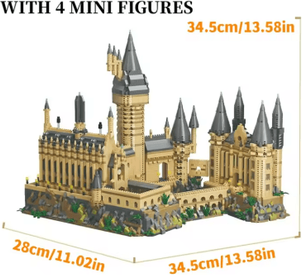
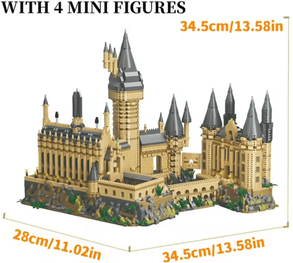
Inspire Picks Medieval Magic Castle Micro Building Block Set For Creative Architecture Play no LightEnter a world of fantasy, imagination, and handson creativity with this enchanting magic castle building block set inspired by medieval palaces and grand schoolstyle architecture. Designed with precision micro bricks, this detailed MOC construction...167,25 $*Shipping: 0,00 $Secure redirect to the provider
-
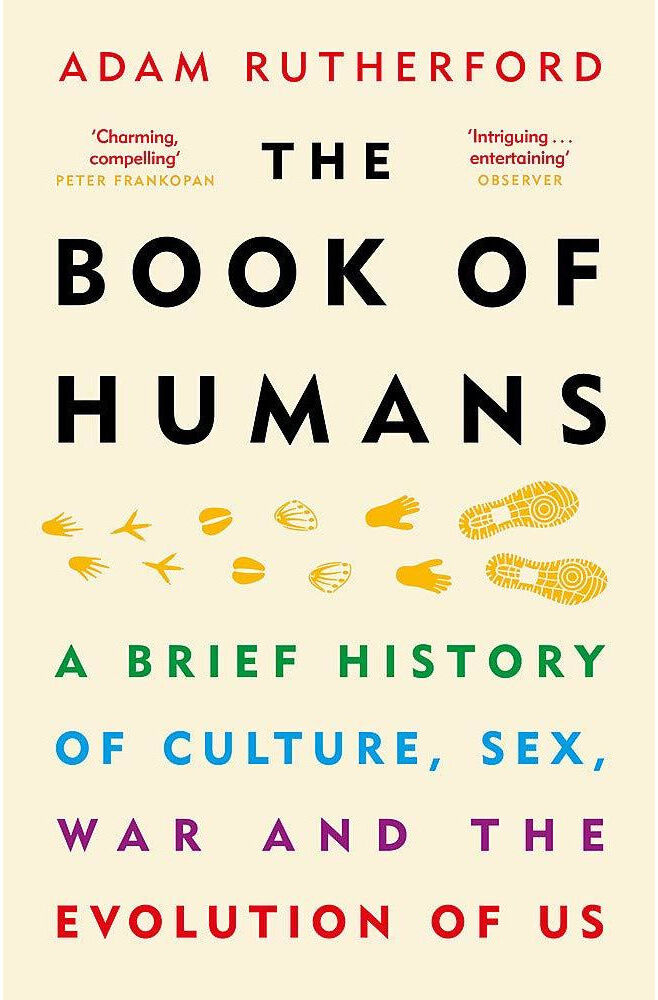
Orion The Book of Humans by Adam Rutherford – A Brief History of Culture, Sex, War & EvolutionWHAT MAKES US HUMAN? Waging war? Sex for pleasure? Creating art? Mastery of fire? In this thrilling tour of the animal kingdom, Adam Rutherford tells the story of how we became the unique creatures we are today. Illuminated by the latest scientific discoveries, THE BOOK OF HUMANS is a dazzling compendium of what unequivocally fixes us as animals, and reveals how we are extraordinary among them.4,98 £*Shipping: 1,99 £Secure redirect to the provider
-
Inspire Curations Creative Medieval Magic Castle Micro Building Blocks School Architecture Palace DIY Set no LightStep into a world of imagination and craftsmanship with this intricate medieval castle building blocks set designed for creative minds. Built with precision micro bricks, this micro building blocks castle offers a detailed and rewarding assembly...225,50 $*Shipping: 0,00 $Secure redirect to the provider
-
Zygomatic Timeline Refresh 2026 Clutch Box - Card Game for 2-4 Players Ages 10+ History Culture TriviaTest your knowledge of history, culture, and everyday events with Timeline Refresh 2026, a compact card game for family and friends. Each round challenges players to place event cards in the correct chronological position, using the timeline already on the table as their guide. Choose an event card, estimate when it happened, and add it to the timeline. If your placement is correct, the card remains in play; if not, it is removed. The first player to position all their cards correctly wins. The game's accessible rules and varied subject matter make it an engaging way to challenge your memory and learn interesting facts while playing. The clutch box format is designed for convenient storage and portability.9,79 £*Shipping: 3,95 £Secure redirect to the provider

-
How do I differentiate between Simple Past and Simple Present?
To differentiate between Simple Past and Simple Present, you need to look at the timing of the action. Simple Past is used to talk about actions that happened in the past and are completed. It is formed by adding -ed to regular verbs or using the past form of irregular verbs. On the other hand, Simple Present is used to talk about actions that are happening now, habitual actions, general truths, or scheduled future events. It is formed by using the base form of the verb. By paying attention to the timing of the action and the form of the verb, you can easily differentiate between Simple Past and Simple Present. **
-
How do I distinguish between Simple Past and Simple Present?
The Simple Past tense is used to talk about actions that were completed in the past, while the Simple Present tense is used to talk about actions that are happening in the present. To distinguish between the two, look for keywords such as "yesterday," "last week," or specific times that indicate the action happened in the past, which would indicate the use of Simple Past. On the other hand, if the sentence includes words like "now," "currently," or general time markers, it is likely using Simple Present. Additionally, pay attention to the verb forms - Simple Past verbs often end in "-ed" or have irregular forms, while Simple Present verbs typically end in "-s" in the third person singular form. **
-
What is the difference between Simple Past and Simple Present?
The main difference between Simple Past and Simple Present is the timeframe they refer to. Simple Present is used to talk about actions that are happening now or regularly occur, while Simple Past is used to talk about actions that were completed in the past. In Simple Present, the verb is in its base form or with an -s ending for third person singular subjects, while in Simple Past, regular verbs end in -ed and irregular verbs have specific past tense forms. **
-
What simple topics could one choose for a history presentation in school?
One could choose simple topics such as the history of a famous landmark or monument, the evolution of communication technology, the impact of a significant event or invention, or the history of a particular cultural tradition or celebration. These topics can be easily researched and presented in a clear and engaging manner, making them suitable for a school history presentation. Additionally, they can provide valuable insights into how historical events and developments have shaped the world we live in today. **
What is the difference between culture and tradition?
Culture refers to the beliefs, customs, arts, and social behaviors of a particular group of people, encompassing a broader range of practices and values. On the other hand, tradition specifically refers to the customs and practices that are passed down from generation to generation within a specific community or society. While culture is more dynamic and can evolve over time, traditions tend to be more static and rooted in history and heritage. **
What is the difference again between Simple Past and Simple Present?
The simple present tense is used to describe actions that are happening right now or regularly occurring actions. For example, "I eat breakfast every morning." On the other hand, the simple past tense is used to describe actions that have already happened in the past. For example, "I ate breakfast yesterday." In summary, the simple present tense is used for present actions or habits, while the simple past tense is used for actions that have already occurred in the past. **
Top-Angebote
Products related to Simple:
-
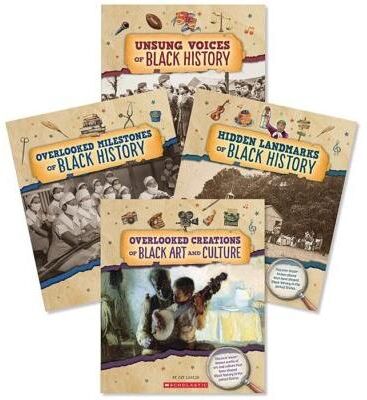
From the Archives: Black History and Culture Value PackThis brand-new series is rooted in a profound commitment to shedding light on some of the important -- and often lesser-known -- aspects of Black history. From the Archives features landmarks, events, people, and artistic endeavors that have played...27,99 $*Shipping: 0,00 $Secure redirect to the provider
-
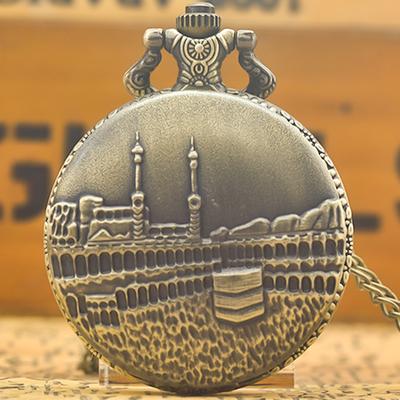
ModernMart Vintage Bronze Clamshell Simple Castle Style Carved Necklace Quartz Pocket Watch Gift For Male And Female Students bronzeThis elegant vintage pocket watch necklace captures timeless charm with a design inspired by oldworld castles. Crafted in a bronze finish, it blends classic aesthetics with modern quartz precision for everyday reliability. Whether you're a student,...31,97 $*Shipping: 0,00 $Secure redirect to the provider
-
Inspire Picks Medieval Magic Castle Micro Building Block Set For Creative Architecture Play no LightEnter a world of fantasy, imagination, and handson creativity with this enchanting magic castle building block set inspired by medieval palaces and grand schoolstyle architecture. Designed with precision micro bricks, this detailed MOC construction...167,25 $*Shipping: 0,00 $Secure redirect to the provider
-
Orion The Book of Humans by Adam Rutherford – A Brief History of Culture, Sex, War & EvolutionWHAT MAKES US HUMAN? Waging war? Sex for pleasure? Creating art? Mastery of fire? In this thrilling tour of the animal kingdom, Adam Rutherford tells the story of how we became the unique creatures we are today. Illuminated by the latest scientific discoveries, THE BOOK OF HUMANS is a dazzling compendium of what unequivocally fixes us as animals, and reveals how we are extraordinary among them.4,98 £*Shipping: 1,99 £Secure redirect to the provider
-
Is Simple Present and Present Simple the same thing?
Yes, "Simple Present" and "Present Simple" are the same thing. They both refer to the tense used to describe actions that happen regularly, habits, general truths, and scheduled events in the present time. Both terms can be used interchangeably to describe the basic present tense in English grammar. **
-
Can you help me form or rearrange simple sentences in the Simple Present and Simple Past?
Yes, I can help you form or rearrange simple sentences in the Simple Present and Simple Past. For example, in the Simple Present, you can say "I eat breakfast every morning" or "She goes to the gym after work." In the Simple Past, you can say "I visited my friend yesterday" or "They watched a movie last night." If you have specific sentences you'd like help with, feel free to provide them and I can assist you in forming or rearranging them. **
-
How do I differentiate between Simple Past and Simple Present?
To differentiate between Simple Past and Simple Present, you need to look at the timing of the action. Simple Past is used to talk about actions that happened in the past and are completed. It is formed by adding -ed to regular verbs or using the past form of irregular verbs. On the other hand, Simple Present is used to talk about actions that are happening now, habitual actions, general truths, or scheduled future events. It is formed by using the base form of the verb. By paying attention to the timing of the action and the form of the verb, you can easily differentiate between Simple Past and Simple Present. **
-
How do I distinguish between Simple Past and Simple Present?
The Simple Past tense is used to talk about actions that were completed in the past, while the Simple Present tense is used to talk about actions that are happening in the present. To distinguish between the two, look for keywords such as "yesterday," "last week," or specific times that indicate the action happened in the past, which would indicate the use of Simple Past. On the other hand, if the sentence includes words like "now," "currently," or general time markers, it is likely using Simple Present. Additionally, pay attention to the verb forms - Simple Past verbs often end in "-ed" or have irregular forms, while Simple Present verbs typically end in "-s" in the third person singular form. **
Similar search terms for Simple
-
Inspire Curations Creative Medieval Magic Castle Micro Building Blocks School Architecture Palace DIY Set no LightStep into a world of imagination and craftsmanship with this intricate medieval castle building blocks set designed for creative minds. Built with precision micro bricks, this micro building blocks castle offers a detailed and rewarding assembly...225,50 $*Shipping: 0,00 $Secure redirect to the provider
-
Zygomatic Timeline Refresh 2026 Clutch Box - Card Game for 2-4 Players Ages 10+ History Culture TriviaTest your knowledge of history, culture, and everyday events with Timeline Refresh 2026, a compact card game for family and friends. Each round challenges players to place event cards in the correct chronological position, using the timeline already on the table as their guide. Choose an event card, estimate when it happened, and add it to the timeline. If your placement is correct, the card remains in play; if not, it is removed. The first player to position all their cards correctly wins. The game's accessible rules and varied subject matter make it an engaging way to challenge your memory and learn interesting facts while playing. The clutch box format is designed for convenient storage and portability.9,79 £*Shipping: 3,95 £Secure redirect to the provider
-
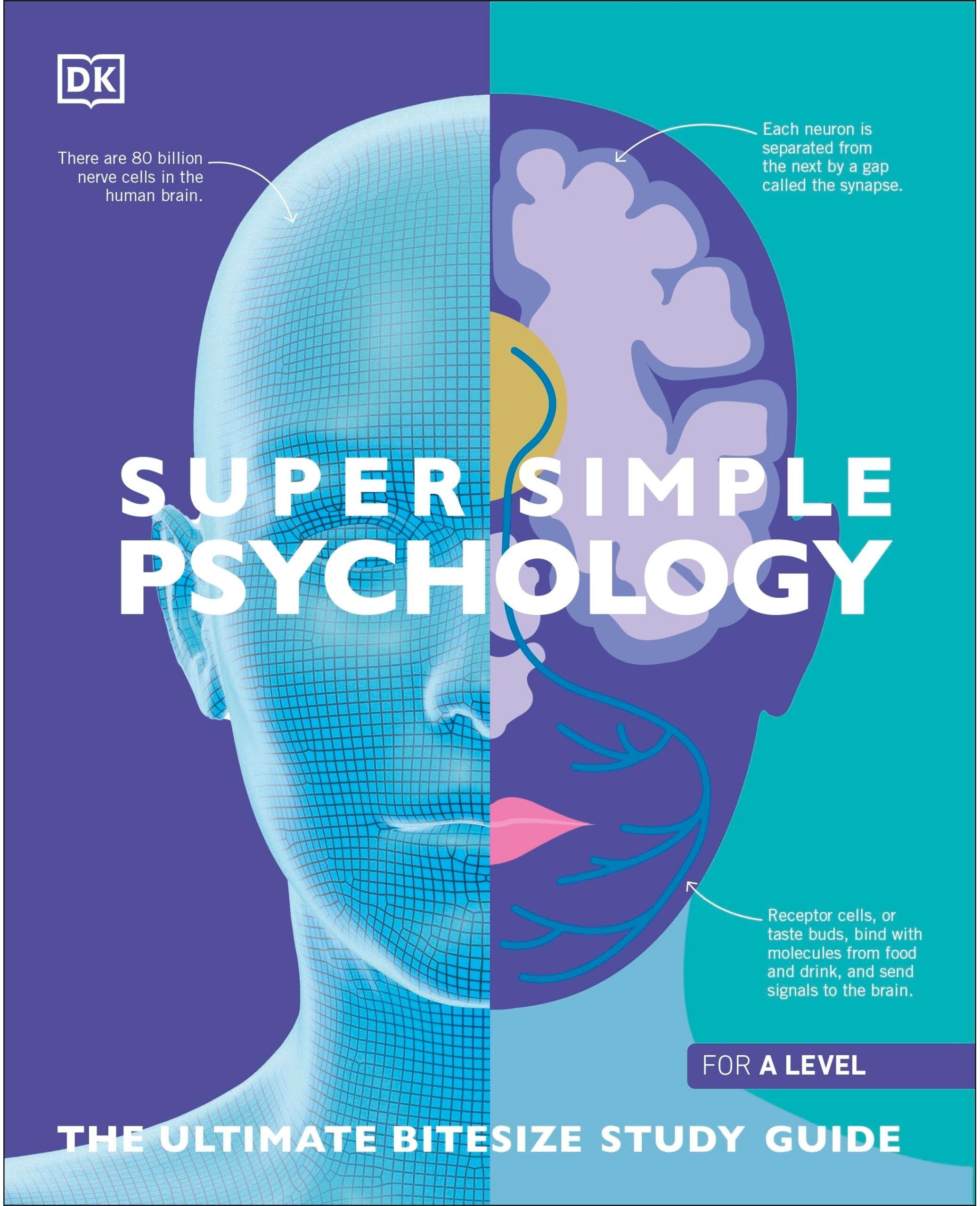
Super Simple Psychology: The Ultimate Bitesize Study Guide (DK Super Simple)Expand your Psychology knowledge with this easy-to-use study guide which has everything A Level students need to get to grips with this fascinating subject. Super Simple Psychology breaks down complex information into manageable, bitesize chunks, and it covers all the key topics, ranging from brain anatomy and memory to phobias and types of therapy. With clear and straightforward coverage of all the core Psychology topics, this is the ideal companion for students looking for concise information to support them with classwork, homework, and exams. This psychology study guide offers: - Material that supports A Level and International Baccalaureate curriculum, complementing coursework and exam revision. - An easy-to-use layout, with one topic per page and key facts for every topic. - Visual explanations that help tackle complex topics and make learning straightforward. Super Simple Psychology contains all the essential topics for A Level Psychology in one handy study guide. Each page covers one topic and is designed and illustrated to make the facts easy to understand and remember and to bring the subject to life. Information panels explain and analyse key theories and studies with the help of simple graphics and a useful "Key facts" box on every page provides a summary to help with revision.6,79 £*Shipping: 2,99 £Secure redirect to the provider
-
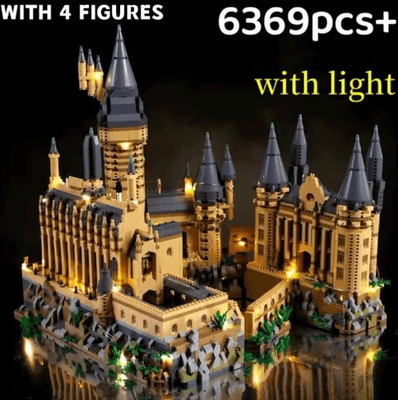
Inspire Picks Medieval Magic Castle Micro Building Block Set For Creative Architecture Play with LightEnter a world of fantasy, imagination, and handson creativity with this enchanting magic castle building block set inspired by medieval palaces and grand schoolstyle architecture. Designed with precision micro bricks, this detailed MOC construction...171,03 $*Shipping: 0,00 $Secure redirect to the provider
-
What is the difference between Simple Past and Simple Present?
The main difference between Simple Past and Simple Present is the timeframe they refer to. Simple Present is used to talk about actions that are happening now or regularly occur, while Simple Past is used to talk about actions that were completed in the past. In Simple Present, the verb is in its base form or with an -s ending for third person singular subjects, while in Simple Past, regular verbs end in -ed and irregular verbs have specific past tense forms. **
-
What simple topics could one choose for a history presentation in school?
One could choose simple topics such as the history of a famous landmark or monument, the evolution of communication technology, the impact of a significant event or invention, or the history of a particular cultural tradition or celebration. These topics can be easily researched and presented in a clear and engaging manner, making them suitable for a school history presentation. Additionally, they can provide valuable insights into how historical events and developments have shaped the world we live in today. **
-
What is the difference between culture and tradition?
Culture refers to the beliefs, customs, arts, and social behaviors of a particular group of people, encompassing a broader range of practices and values. On the other hand, tradition specifically refers to the customs and practices that are passed down from generation to generation within a specific community or society. While culture is more dynamic and can evolve over time, traditions tend to be more static and rooted in history and heritage. **
-
What is the difference again between Simple Past and Simple Present?
The simple present tense is used to describe actions that are happening right now or regularly occurring actions. For example, "I eat breakfast every morning." On the other hand, the simple past tense is used to describe actions that have already happened in the past. For example, "I ate breakfast yesterday." In summary, the simple present tense is used for present actions or habits, while the simple past tense is used for actions that have already occurred in the past. **
* All prices are inclusive of VAT and, if applicable, plus shipping costs. The offer information is based on the details provided by the respective shop and is updated through automated processes. Real-time updates do not occur, so deviations can occur in individual cases. ** Note: Parts of this content were created by AI.